
My name is Nolita Serrano, I am 29 years old, and I have been a teacher for eight years.
Even before becoming a teacher, I was already familiar with the educational challenges facing my community. Because I have always been passionate about teaching children, I accepted this reality with the conviction that I could make a difference.
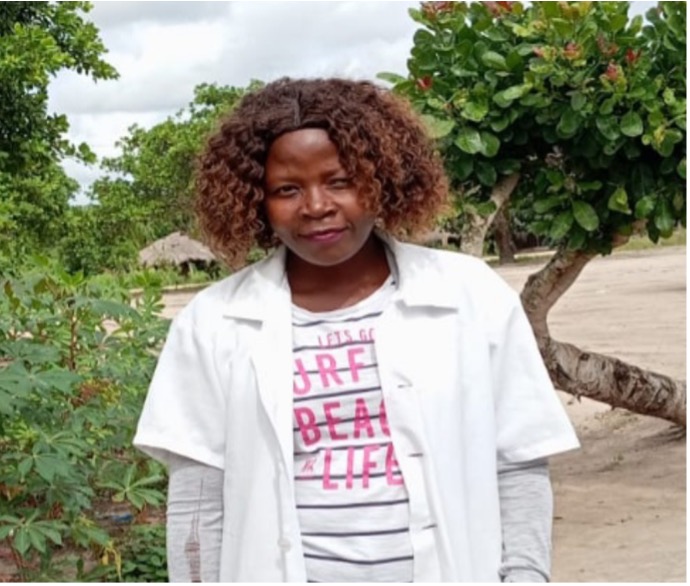
Teaching in Namaquita Velha was an enormous challenge. Whenever strong winds or heavy rains occurred, classes were disrupted, sometimes for long periods. The shortage of classrooms and the poor condition of the existing ones prevented teaching and learning from taking place effectively. This reality stood in stark contrast to our students' eagerness to learn. The children's enthusiasm was far greater than the conditions we were able to provide for them.
Despite these challenges, I never gave up. I have always believed that education has the power to transform our community.
That hope gained new momentum with the arrival of the Strengthening Teachers' Resilience and Well-being in Crisis Contexts project. What impressed me most was that the project did not only provide material support; it brought about a genuine change in mindset by encouraging collaboration among teachers, students, families, and the wider community. It raised awareness of the importance of working together towards a shared goal: ensuring safe, quality education for every child.
I participated in several training sessions, where I gained knowledge on social inclusion, gender equality, risk mapping, early warning systems, resilience, psychosocial support, and emergency preparedness planning. In addition, Disaster Risk Management Committees were established and trained, making our school better prepared to respond to emergencies.
Soon afterwards, we began to witness the results. The community became more engaged with the school than ever before. Men, women, and young people joined forces to produce bricks, cut timber, transport materials, and build resilient classrooms as well as housing for teachers.
As we worked side by side, we realized that we were not simply constructing buildings. We were building hope and creating a better future for our children.
The results became visible almost immediately. Students returned to school with renewed motivation, interruptions caused by adverse weather conditions were significantly reduced, and school dropouts related to poor learning conditions came to an end.
This experience taught me that the greatest transformations happen when a community believes in a shared purpose and works together to achieve it. Today, I look at our school with pride. Every brick laid, every wall raised, and every classroom built represents far more than infrastructure it represents hope for a brighter future for our children and the certainty that, united, we are capable of overcoming any challenge.