
The city of Maputo hosted a two-day workshop that brought together Community-Based Organizations (CBOs) implementing HIV and Tuberculosis (TB) interventions, with the aim of promoting peer learning, sharing experiences and best practices, and strengthening the organizational and technical capacities of community organizations.
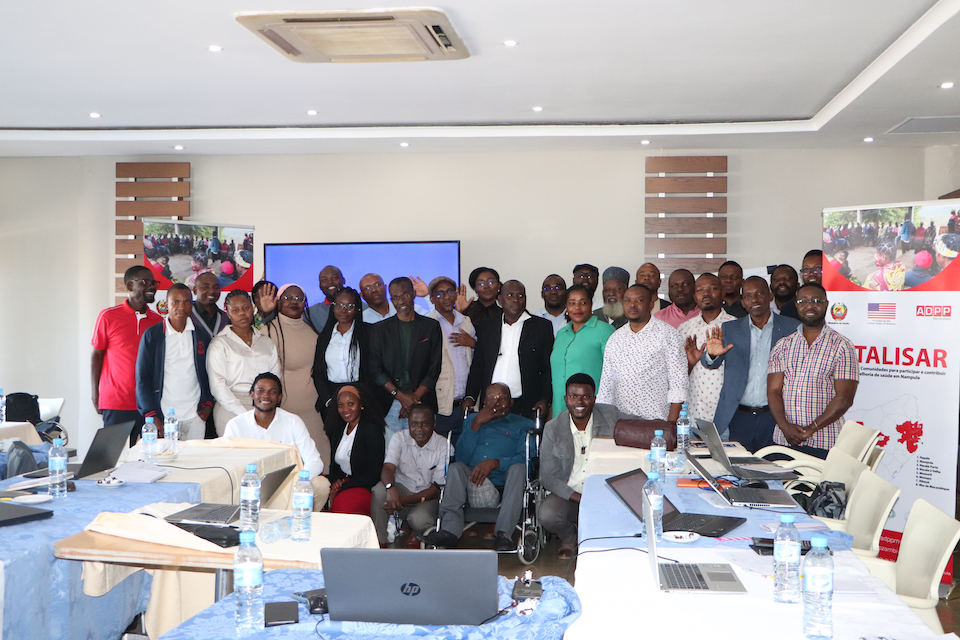
The meeting sought to create a platform for learning and experience exchange, facilitating connections among CBOs, learning centers, capacity-building platforms, and relevant institutional networks. These connections are expected to contribute to the development of stronger and more capable community organizations that can implement effective, sustainable, and people-centered interventions.
Organized by the Catalisar Project, with technical support from the Civil Society Platform for Health in Mozambique (PLASOC-M), the workshop brought together representatives of CBOs implementing community interventions in Maputo and Nampula provinces.
According to Elisée Ndatimana, Director of the Catalisar Project, the meeting provided an opportunity for organizations to learn from one another, share experiences, and identify joint solutions to the challenges they face.
“The discussions necessarily focused on exploring critical areas such as organizational and financial management, resource mobilization, monitoring, and the delivery of community services. This participatory process will strengthen trust, local ownership, and the capacity of communities to influence and sustain life-saving services,” said Ndatimana.
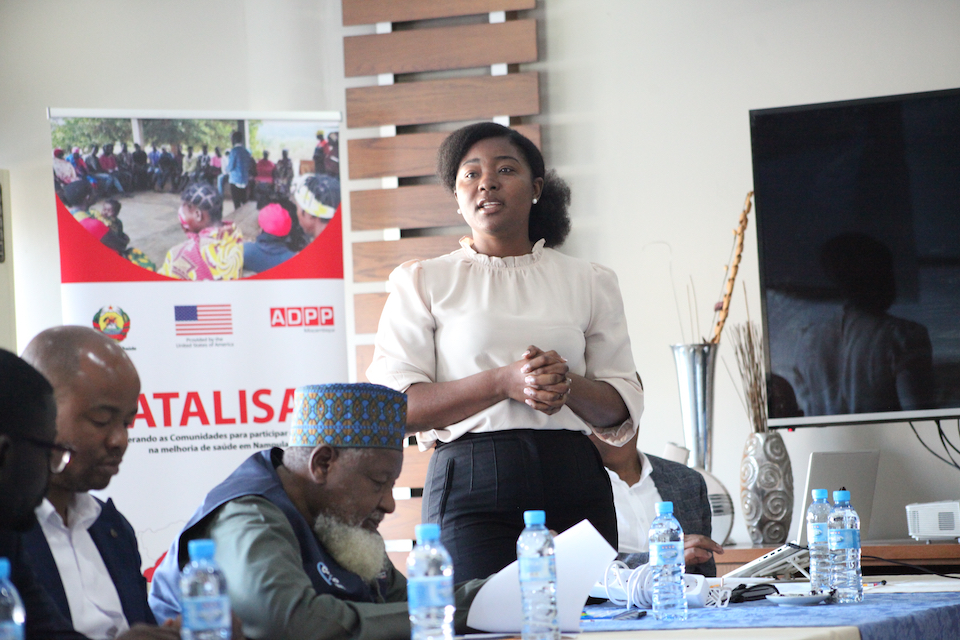
Eládia Madau De Almeida, PLASOC-M Programme Coordinator and workshop facilitator, highlighted the importance of holding the meeting at a particularly challenging time for community organizations, marked by a decline in external funding for HIV and TB projects.
“It is important for CBOs to share experiences and build connections to seek domestic financing solutions, including through consortia, in order to reduce dependence on external funding. Funding crises can compromise the continuity of services and put at risk the lives of the people we serve,” said Madau.
During the workshop, Ezequias Maimasse, representing the Constituency of People Living with HIV and AMOVAPSA, shared the organization’s experience in dealing with the impact of reduced funding and the challenges of ensuring continuity of care for people who depend on these services.
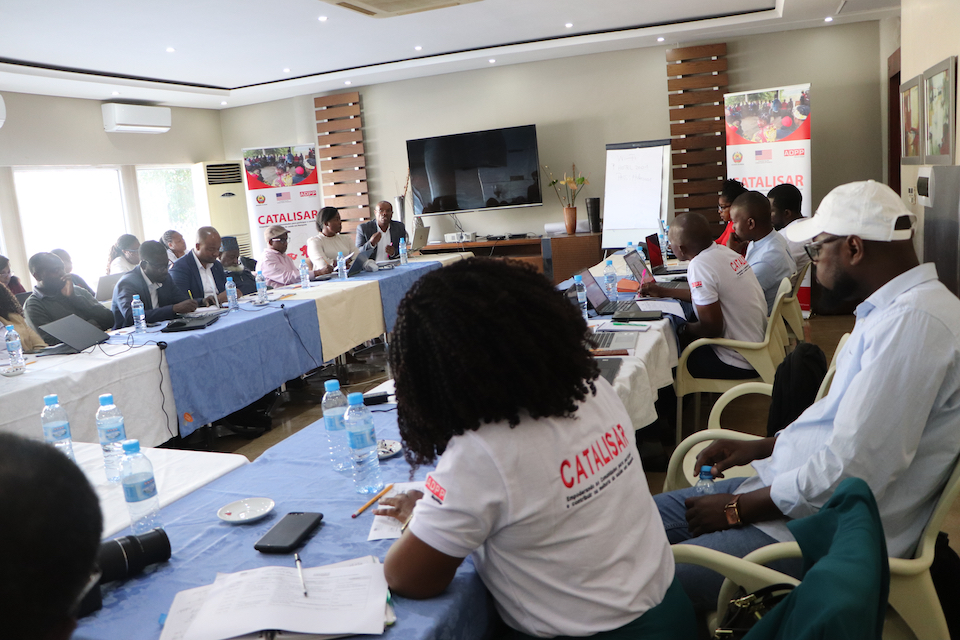
“We have drastically reduced our community interventions due to budgetary constraints. In response to this situation, we continue to call for the involvement of community activists, even though there are insufficient resources to cover daily expenses such as transportation. We have had to reinvent ourselves to ensure the continuity of the community response through joint efforts,” he explained.
About the Catalisar Project
The Catalisar Project is a five-year initiative funded by the Centers for Disease Control and Prevention (CDC) and implemented by ADPP Mozambique, in partnership with five sub-recipient Community-Based Organizations: AMOLETU, Hooty Mozambique, Okhaphelela, Ovarelelana, and UNDE.
The project operates in eight districts of Nampula Province: Nampula, Rapale, Nacala Porto, Nacala-a-Velha, Mossuril, Ribáuè, and Ilha de Moçambique.
The main objective of Catalisar is to increase the availability, coverage, acceptability, and quality of HIV, Tuberculosis (TB), and related health services through innovative, community-led approaches. These approaches enable communities to identify and overcome barriers that hinder access to healthcare and prevention services for people living with HIV and those affected by TB.
The interventions implemented by the Catalisar Project directly contribute to Objectives 2 and 3 of the National Strategic Plan for the HIV and AIDS Response (PEN V), which recognize the importance of community participation in improving the quality and utilization of health services.