
ADPP distributed this week more than 17 tons of various food products to the victims of Cyclone IDAI. These include rice, food oil, maize flour, sugar and beans, and benefited 1,000 families at Tica’s administrative post in the Nhamatanda district of Sofala province, one of the most affected by the cyclone.
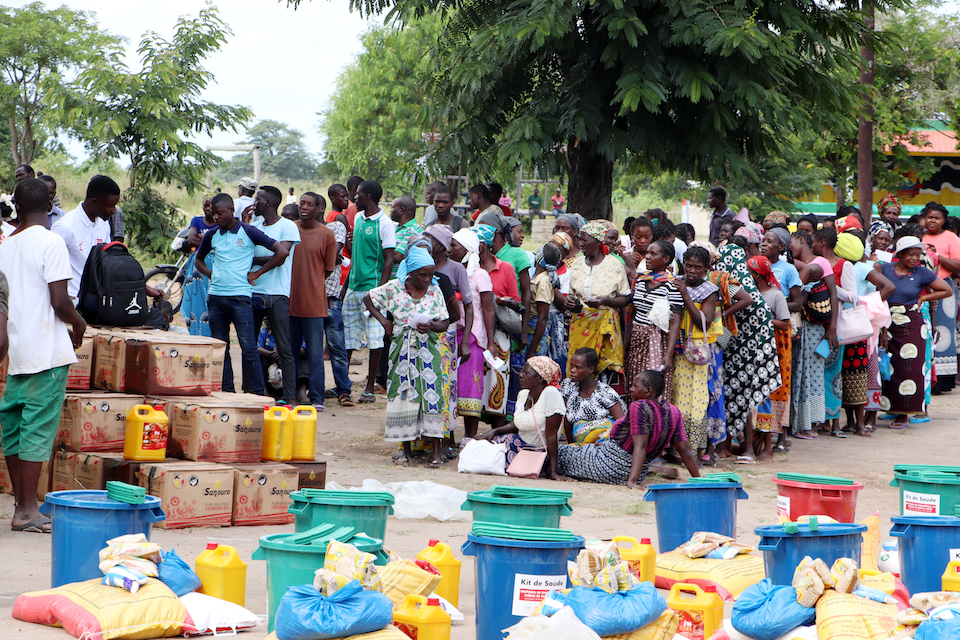
The products distributed to the population of that locality will serve to feed the 1,000 families for a month.
Since 15th April ADPP have directly assisted 17,425 people, with food kits, startup kits (shelter, kitchen), dignity kits, clothing, agricultural instruments, seeds; dissemination of messages on community health, protection of the most vulnerable and climate change. So far, these operations have costed $392,747 funded through ADPP resources raised with the Humana People to people Federation, and partnerships with ExxonMobil and World Jewish Relief.
ADPP is supported by approximately 50 trained local activists, and students from ADPP One World University working alongside ADPP staff and in collaboration with the local authorities and humanitarian partners (OCHA, INGC). ADPP bridges direct assistance from other partners to recipients in Nhamatanda, especially to reach affected areas with access limitation.