
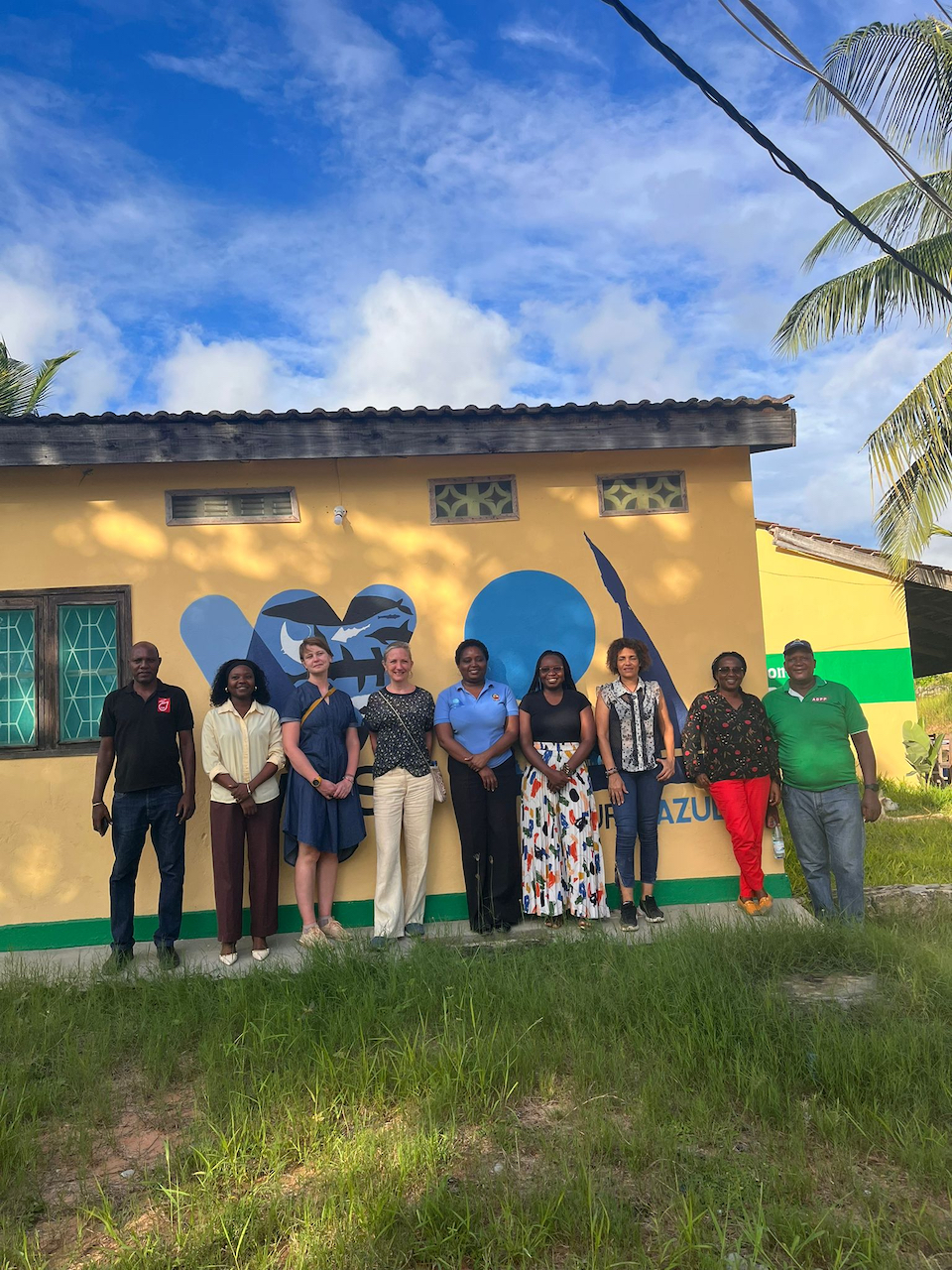
From 23 to 27 March 2026, CINOP (the Netherlands) and HAMK (Finland) provided a dynamic training week in Nacala, Mozambique, as part of the VECRA-MOZ project. Hosted at ADPP IP Nacala, the training brought together teachers, project partners, and stakeholders to further develop climate-resilient agricultural education.
The week began with a visit to the Agricultural Centre of IP Nacala, where students presented their knowledge on topics such as water management, soil cultivation, and composting. This created an inspiring foundation for the activities that followed.
 Inclusion and future skills
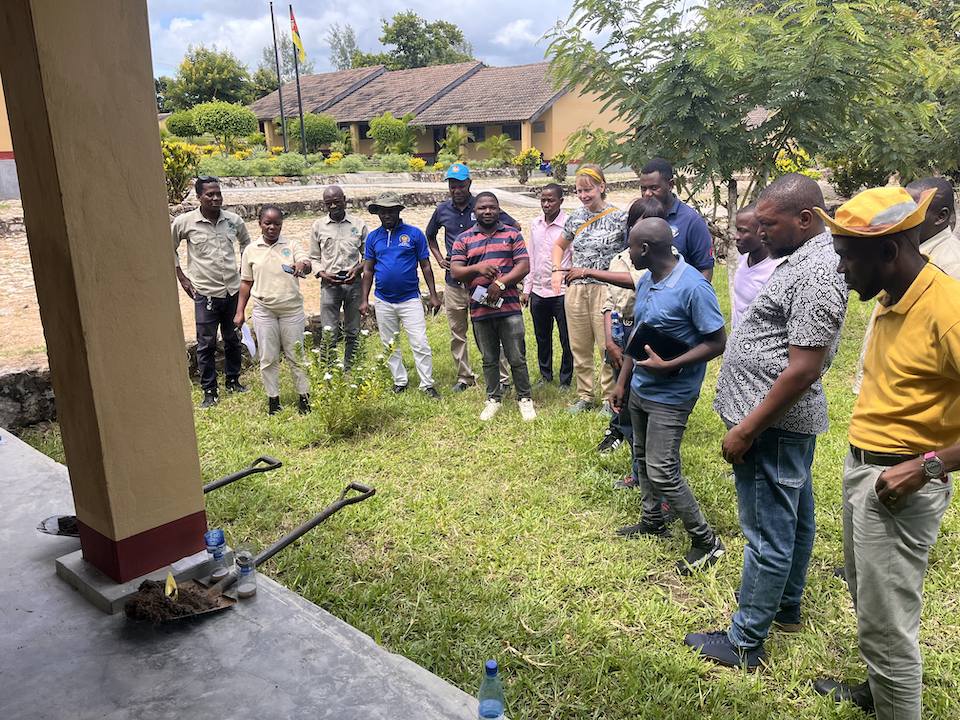
The group also explored how to better include girls and women in agricultural education and employment. It was emphasised that this requires a shift in mindset and active involvement of the wider community. HAMK facilitated a hands-on session on climate-resilient agriculture, demonstrating simple soil testing methods using readily available materials such as water bottles, mustard powder, and vinegar. Participants took on the role of students, gaining practical ideas for their own pilot lessons.
Innovative pedagogy and exchange
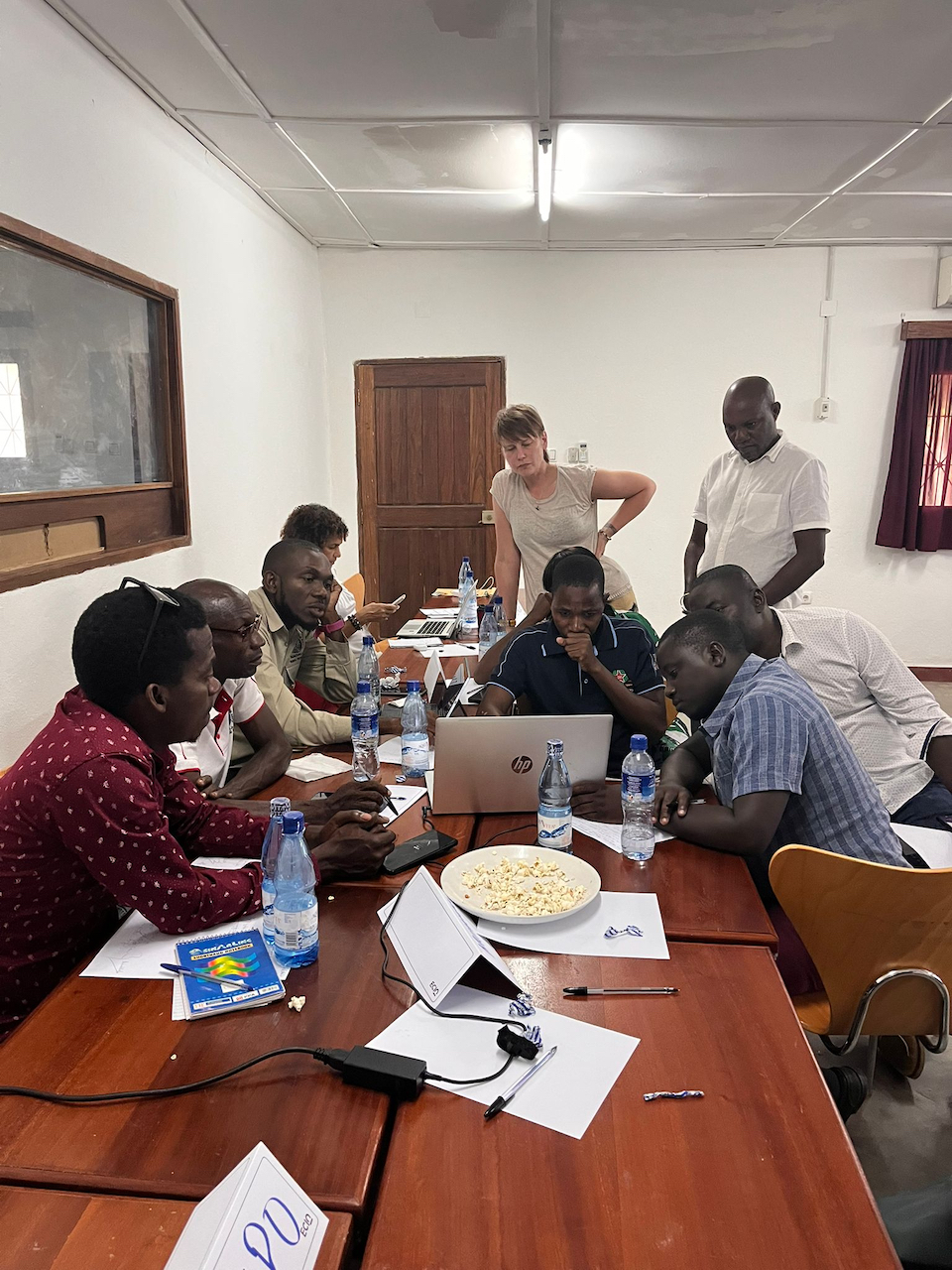
A key highlight of the training was the exchange of knowledge between the two schools. Teachers presented their revised modules using creative pedagogical approaches, with both groups opting for role play. These sessions clearly demonstrated the transition from traditional teaching methods to more interactive and learner centred approaches.
 Looking ahead
The week also included a needs analysis for a follow-up training planned for September 2026. Key topics identified were:
- climate resilience,
- pedagogy,
- career guidance and job placement,
- and social and gender inclusion.
The training concluded with a team-building activity at Nacala beach, providing a moment to reflect on a productive and collaborative week.
O evento contou com a presença de estruturas do governo como a Excelentíssima Administradora do distrito de Mocuba Adelina Tavares que oficializou a entrega das indústrias moageiras aos 2 clubes de agricultores, bem como parceiros locais representados pelos membros do Serviço distrital de actividades econômicas (SDAE-Mocuba), os chefes dos postos administrativos e localidades, assim como os líderes comunitários.
A administradora do Distrito durante a sua intervenção ressaltou a importância da responsabilidade coletiva por parte dos membros dos clubes para a gestão e manutenção do equipamento, garantindo sustentabilidade e uso adequado ao longo do tempo. Encorajou também os clubes a fortificar ainda mais a união pois, com boa organização e cooperação, as indústrias moageiras contribuirão para o crescimento económico e a autossuficiência das comunidades.