
ADPP Mozambique and Plan International Mozambique signed a partnership agreement this week in Maputo aimed at strengthening the empowerment, resilience, and exercise of rights of adolescents and young people, with a special focus on girls and young women. This collaboration is part of the preparations for the implementation of the Girls Get Equal (GGE 2) project, which includes the Youth Economic Empowerment (YEE) intervention in Chiure, Cabo Delgado province, being implemented over a period of 5 years, covering 2400 young people of which a minimum of 40% are girls.
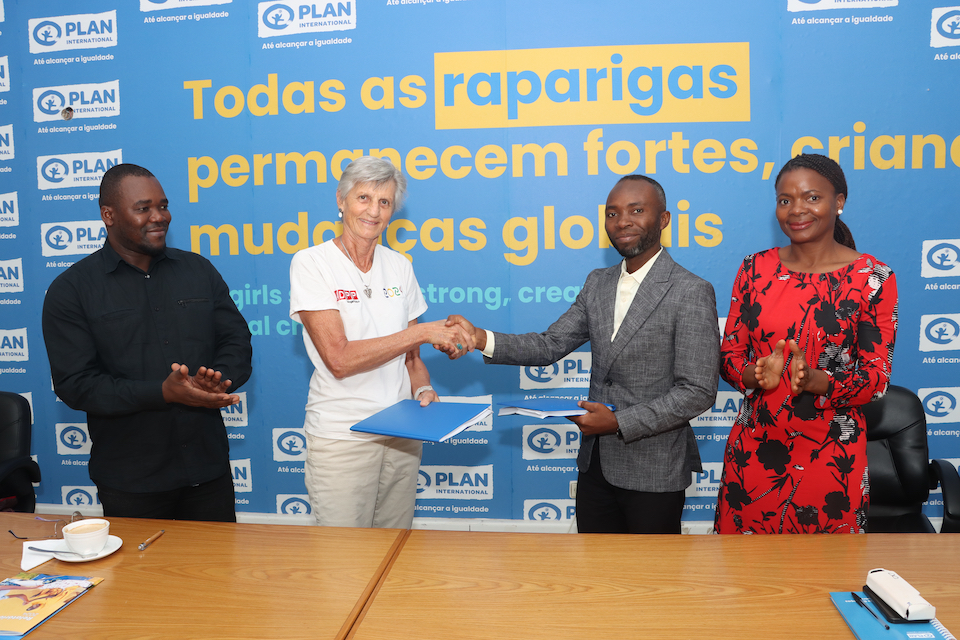
On this occasion, Birgit Holm, Executive Director of ADPP, highlighted the organization's commitment to promoting gender equality, emphasizing that “ADPP will continue to support and empower women so that they have more opportunities to build their own future.”
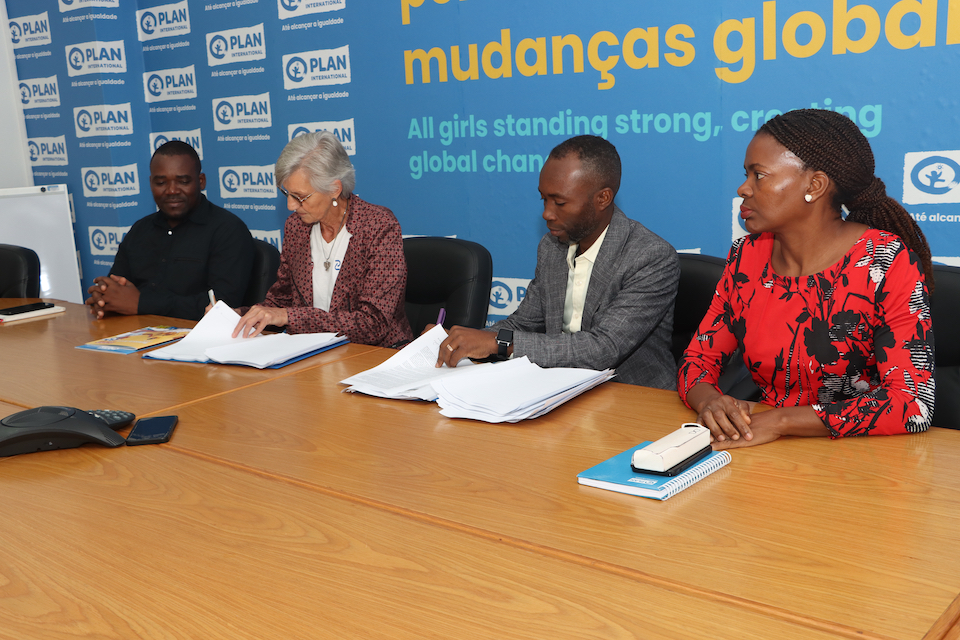
Luís Paulo, Interim Director of Plan International Mozambique, reinforced the importance of partnerships between organizations, stating that “working in partnership allows interventions to be more impactful and comprehensive, ensuring that more girls are reached and benefited by the project's actions.”