
The projects and programs implemented by ADPP reached more than 6.2 million people in 2021 in the different areas in which it operates, namely Quality Education, Health and Wellness and Agriculture and Sustainable Development.
Notable figures in 2021 include the approximately 1,265,000 people reached by education programs, 2,113,952 by the Malaria Prevention Program since 2018 and 1,860,456 by HIV and TB health programs.
Although 2021 was a year marked by great challenges, much of it due to the Covid 19 pandemic, all ADPP projects and activities were maintained with energy and commitment, and there was a need to do even more as people were unable to access services in areas such as health and education due to their fear of infection from the disease.
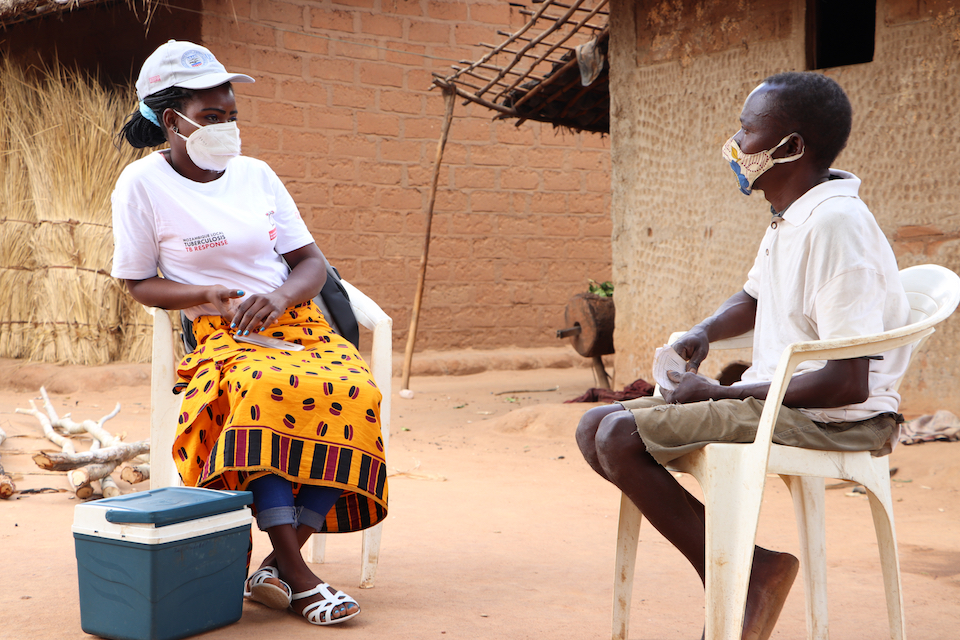
According to the recently released Annual Report 2021, field officers and activists stepped up their efforts to ensure that HIV and Tuberculosis treatments were administered as needed, that children were taken to Health Facilities to be vaccinated, and that they returned to school to continue their classes after a year in which schools were completely closed.
The document also points out that in all ADPP's projects, the approach is to work directly with the community through active initiatives which provide awareness and training to empower local communities with the tools and organization they need to produce good results and ensure their development.
ADPP is celebrating 40 years since its creation this year, during which time it has impacted the lives of millions of people.