
A new report by Consulting For Africa (CFA) and Abalon Capital Limited (Abalon), commissioned by ADPP Mozambique and released on March 19 of this year, revealed the vital role that the second-hand clothing (SHC) industry plays in the daily lives and economy of Mozambique. According to the research, the SHC industry provides:
- More than 200,000 formal and informal jobs, directly supporting over 1 million livelihoods;
- An average income of $650 per month for well-established vendors (compared to the national minimum wage of $90 per month);
- Basic clothing needs for at least 85% of the population;
- $35 million in taxes for the national budget, which support essential social programs such as education and healthcare.
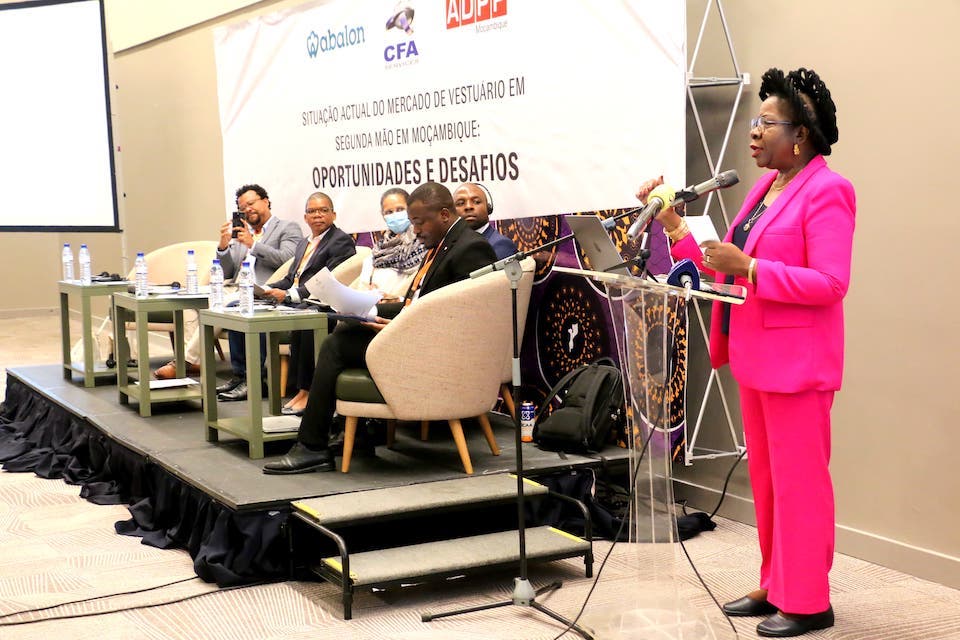
Mozambique is one of the poorest countries in the world, ranking 183rd out of 191 countries on the United Nations Human Development Index. With about 25% of the population currently unemployed, the findings of the report underscore the importance of the SHC industry as a crucial source of basic clothing, employment, and public finances. Therefore, any negative disruption could have devastating consequences for a population already grappling with widespread poverty.
The report, entitled “Current Situation of Mozambique’s SHC Market: Opportunities and Challenges,” is the latest research effort assessing the global importance of the second-hand clothing industry, both economically and environmentally. Crucially, it highlights that in the broader debate about the global utility of the second-hand clothing trade, the economic realities of the Global South must also be considered.
The report’s findings also suggest that revitalizing the African textile sector is more complex than often acknowledged. Without substantial investment to boost local production and develop a competitive edge in garment manufacturing—particularly when competing with countries like China, India, and Bangladesh—significant import substitution in the clothing sector appears unlikely. Rather than viewing the SHC trade and local textile industries as opposing forces, the report concludes that both sectors can thrive together.
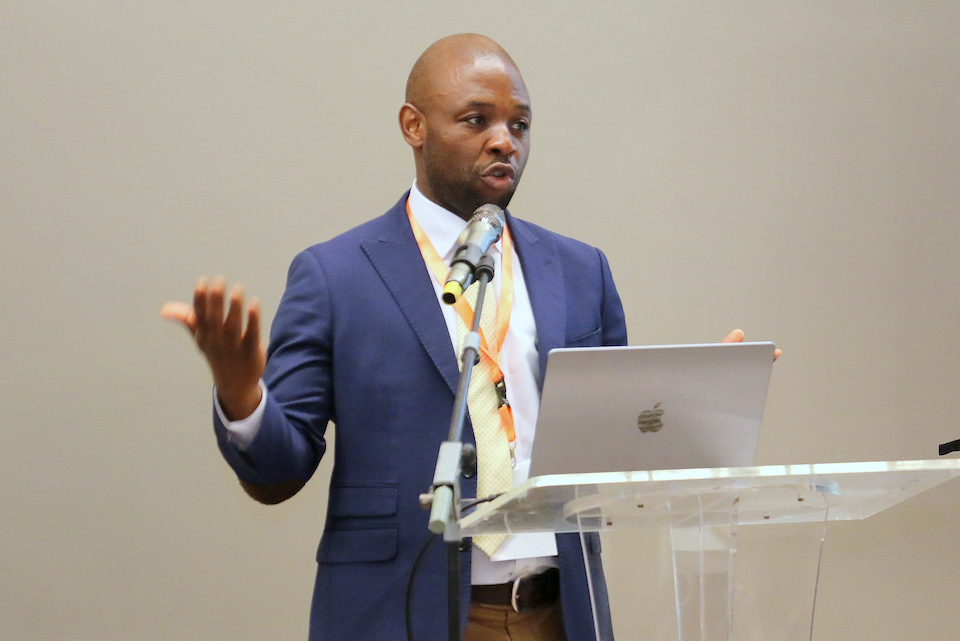
Brian Mangwiro of Abalon Capital said: “Policymakers across Africa must recognize the millions of people who depend on SHC when considering efforts to revive local textile industries. Specifically for Mozambique, our forecasts suggest that without significant improvement in GDP growth over the next decade, SHC will continue to be the main source of affordable clothing. Instead of targeting SHC imports, African nations should explore more pragmatic solutions, such as strategic cross-country collaborations to strengthen areas of competitive advantage.”
Dr. Luísa Diogo, former Prime Minister of Mozambique and Non-Executive Director on the Board of Absa Bank Group, who participated in the high-level panel at the report’s launch, said: “I warmly welcome this new report, which highlights how vital the SHC industry is to Mozambique’s economy and the well-being of our people. This sector is not merely about clothing; it is a source of dignity and opportunity, sustaining families, creating jobs, and contributing significant tax revenue to essential services such as education and healthcare.”
“The report lays out tangible evidence of the broad benefits that SHC trade brings to Mozambique and the African continent. It emphasizes the importance of economic diversity in supporting Mozambique’s and Africa’s growth. I firmly believe that embracing the SHC trade as part of the green economy will be key to achieving Africa’s main goals—poverty reduction, sustainable development, and inclusive growth.”

The second-hand clothing sector has had a transformative effect on the prospects of many families, especially among the most marginalized groups such as women and youth, by providing employment opportunities, improving workforce skills, and supporting livelihoods. This is consistent with research reports published on the SHC industry across Sub-Saharan Africa, particularly among major importers such as Ghana, Kenya, and Tanzania.
As debates about the future of SHC imports intensify, this report calls for informed policy discussions on climate change, waste management, and environmental sustainability—not only to safeguard the sector’s long-term viability but also to ensure that global sustainability efforts do not become a zero-sum game.